
Automation, AI, and the Infrastructure Behind Smarter Operations
Updated: May 12
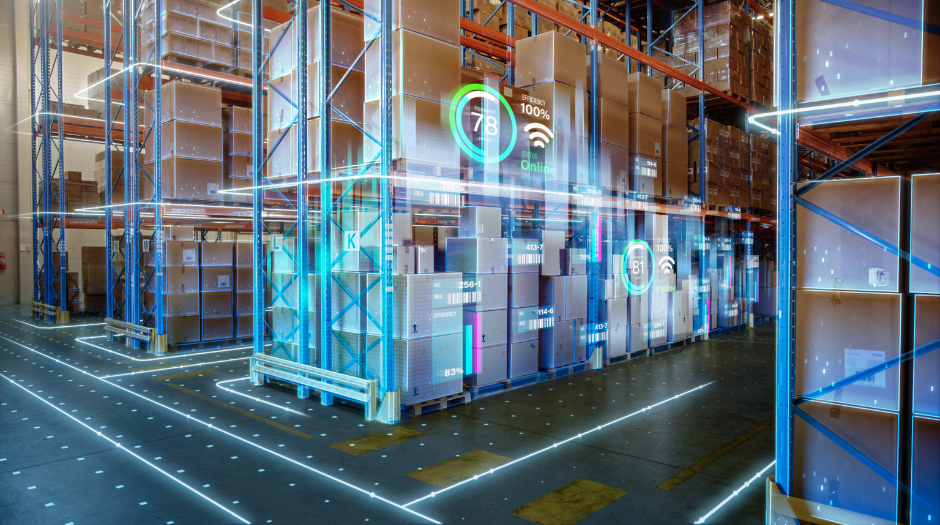
Automation and artificial intelligence are changing the way organizations operate across nearly every industry. From manufacturing and logistics to healthcare, enterprise environments, and data centers, businesses are relying more heavily on connected systems, real-time data, and intelligent technologies to improve efficiency and support faster decision-making.
But none of it works without the right infrastructure underneath it.
As AI platforms, automated systems, and connected technologies continue to evolve, the physical infrastructure supporting those environments has become more important than ever. Reliable connectivity, scalable network infrastructure, wireless coverage, and organized deployment strategies all play a critical role in keeping systems operating consistently and efficiently.
For many organizations, the conversation around AI starts with software. In reality, successful automation environments depend just as heavily on the physical layer behind the technology.
Automation Is Expanding Across Every Environment
Automation is no longer limited to highly specialized industrial facilities. Organizations across a wide range of industries are integrating automated systems into daily operations to improve visibility, reduce manual processes, and support real-time communication between people, systems, and equipment.
In manufacturing environments, automation may support production systems, equipment monitoring, inventory tracking, or operational analytics.
In warehouses and distribution facilities, connected infrastructure helps support barcode systems, mobile devices, robotics, wireless communication, and real-time logistics operations.
In healthcare and enterprise environments, organizations are relying on increasingly connected systems to support communication platforms, access control, monitoring systems, and operational coordination across large facilities.
As these technologies expand, so does the demand for reliable infrastructure capable of supporting growing connectivity requirements.
AI Is Increasing Infrastructure Demands
Artificial intelligence is also changing how organizations think about infrastructure scalability.
AI-driven applications generate and process large amounts of data, often requiring faster communication between systems, greater bandwidth capacity, and environments capable of supporting increased device density.
At the same time, organizations are adopting more connected technologies throughout their facilities, creating additional demands on structured cabling systems, wireless networks, fiber infrastructure, and equipment deployments.
That means infrastructure planning can no longer be treated as an afterthought.
As automation environments grow more complex, organizations need infrastructure that is organized, scalable, and designed to support long-term operational growth.
Reliable Connectivity Matters More Than Ever
Connected systems depend on consistent communication between devices, applications, and users.
Wireless coverage gaps, poorly organized cabling systems, insufficient bandwidth capacity, or infrastructure limitations can quickly impact performance across automated environments.
That is why many organizations are investing in modernized infrastructure that supports higher device density, improved wireless performance, and scalable connectivity throughout facilities.
Structured cabling systems, fiber optic infrastructure, enterprise wireless networks, and properly coordinated equipment deployments all contribute to environments that can adapt as technology continues to evolve.
Infrastructure also needs to support flexibility.
Many facilities continue expanding automation initiatives over time, adding new systems, equipment, and connected technologies as operational needs change. Scalable infrastructure makes those future additions easier to support without creating unnecessary disruption.
Supporting Connected Infrastructure Environments
ComNet Communications supports organizations nationwide with infrastructure deployment services designed for connected, technology-driven environments.
Our capabilities include:
Structured cabling systems
Fiber optic infrastructure
Enterprise wireless deployments
In-building wireless systems
Physical security infrastructure
Network infrastructure support
Rack and stack services
Infrastructure remediation and documentation
ComNet Communications works alongside customers, contractors, and project teams to support organized infrastructure deployments across data centers, enterprise facilities, manufacturing environments, warehouses, healthcare systems, and large-scale technology projects nationwide.
As automation and AI continue evolving, infrastructure plays an increasingly important role in supporting performance, scalability, and long-term operational efficiency.
Building Infrastructure for the Future
Automation and AI are continuing to reshape modern environments, but the success of those technologies depends heavily on the infrastructure supporting them behind the scenes.
Reliable connectivity, scalable systems, organized deployments, and coordinated infrastructure planning all contribute to environments that are better prepared for future growth and evolving operational demands.
Organizations investing in connected technologies today are also investing in the infrastructure foundation that will support future innovation tomorrow.
Since 1984, ComNet Communications has supported infrastructure deployments designed to help organizations build connected environments ready for what comes next.

Comments